Early Detection Can Protect Your Baby’s Sight
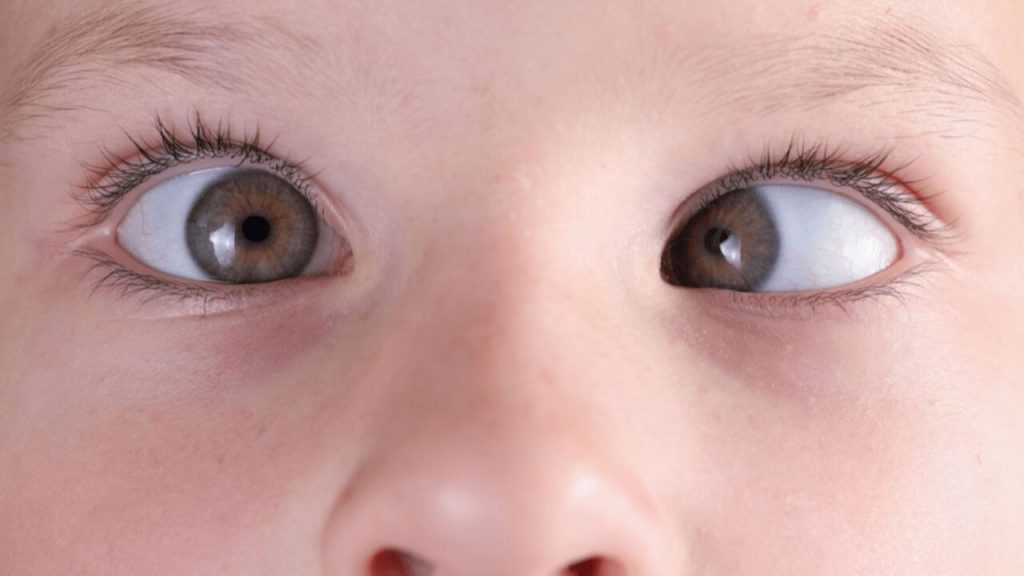
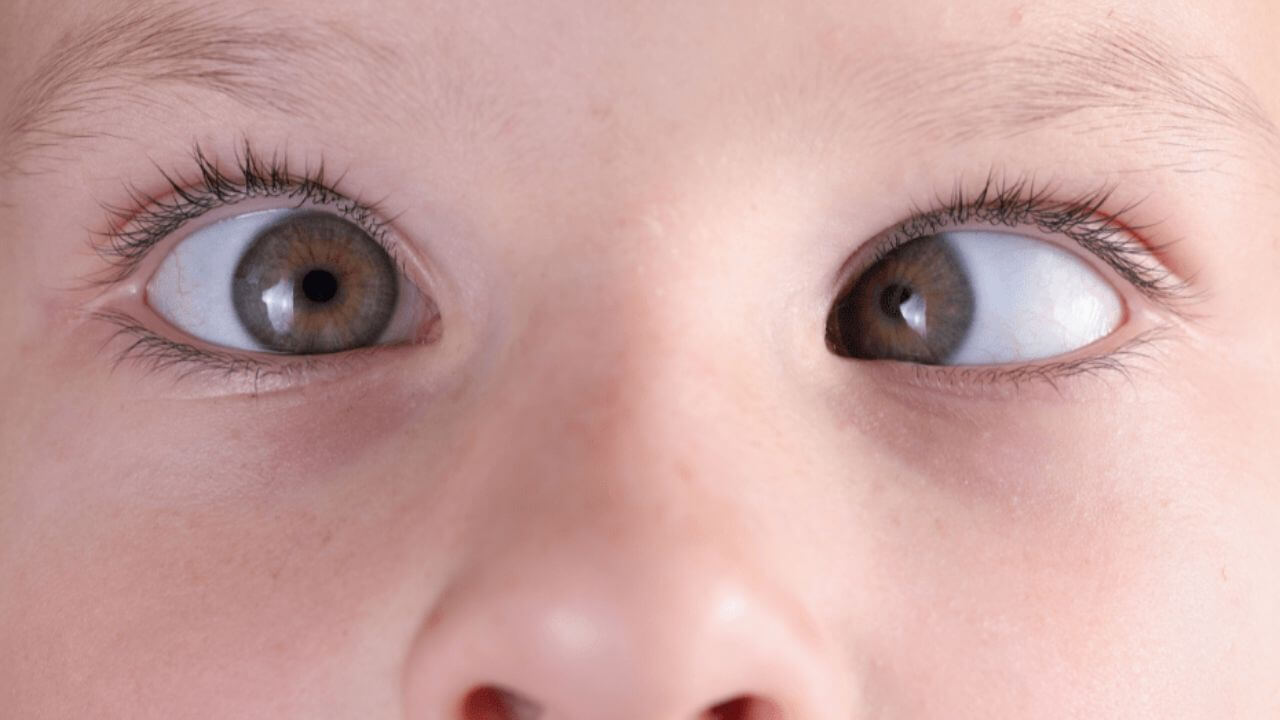
As parents, it’s natural to focus on every little movement and milestone your baby reaches. One thing that often goes unnoticed—or is misunderstood—is eye alignment. If your baby’s eyes seem to look in different directions, it may be a sign of a squint eye, also known as strabismus.
Squint in babies is more common than you might think, and while it may appear harmless at first, it can lead to vision problems and long-term eye health issues if not treated early.
What Is a Squint Eye?
A squint occurs when the eyes are not properly aligned. One eye may look straight ahead, while the other may turn inward, outward, upward, or downward. This can happen occasionally or all the time. In newborns, it’s normal for the eyes to look slightly misaligned from time to time, but if the condition persists beyond 3 to 4 months of age, it’s important to consult an eye specialist
Causes of Squint in Babies
Some of the most common reasons babies develop squint eyes include:
- Weak or imbalanced eye muscles
- Family history of squint or vision issues
- Uncorrected refractive errors (like farsightedness)
- Congenital eye problems
- Neurological conditions affecting muscle control
A thorough eye exam by a pediatric ophthalmologist or eye doctor can help identify the underlying cause.
How Squint Affects Your Baby’s Vision
While the appearance of squint may concern you visually, the real issue lies beneath the surface: vision development.
1. Lazy Eye (Amblyopia)
The brain may start ignoring the image from the misaligned eye to avoid double vision. Over time, this can lead to amblyopia, where the ignored eye becomes weak and fails to develop normal vision.
2. Depth Perception Issues
For clear and focused vision, both eyes must work together. A squint can prevent proper coordination, making it difficult for your child to judge distances correctly later on.
3. Delayed Visual Development
Untreated squint can result in slower overall visual development, affecting your baby’s learning and motor skills.
Signs to Watch For
If your baby shows any of these signs, it’s time to see an eye doctor:
- One eye consistently turns in or out
- Eyes don’t move together
- Frequent eye rubbing or blinking
- Squinting or tilting the head to focus
- Poor tracking of objects
Importance of Early Diagnosis
Early detection is critical. The younger the child, the easier it is to correct the issue and help both eyes develop normally. Pediatric eye exams are safe, painless, and essential for identifying vision problems before they become permanent.
If you live in or near Ghaziabad, visiting a skilled eye doctor in Ghaziabad can ensure your baby receives the right care and treatment.
Treatment Options for Squint in Babies
Treatment depends on the cause and severity, and may include:
- Glasses to correct refractive errors
- Patching therapy to strengthen the weaker eye
- Eye exercises for better muscle control
- Surgery in more serious or unresponsive cases
Most babies respond well to early intervention, and with proper treatment, their vision can develop normally.
Final Thoughts
Squint eyes in babies may seem like a minor issue, but it can have a significant impact on your child’s vision and eye health if left untreated. Regular eye check-ups and early treatment from a qualified eye doctor can make a big difference in your child’s visual development and confidence later in life.
If you’re concerned about your baby’s eyes, don’t wait. Book an appointment with a trusted eye doctor in Ghaziabad to give your baby the best start toward healthy vision.
Squint Eye in Babies: Understanding Vision Problems and Eye Health Issues
Leave a Reply